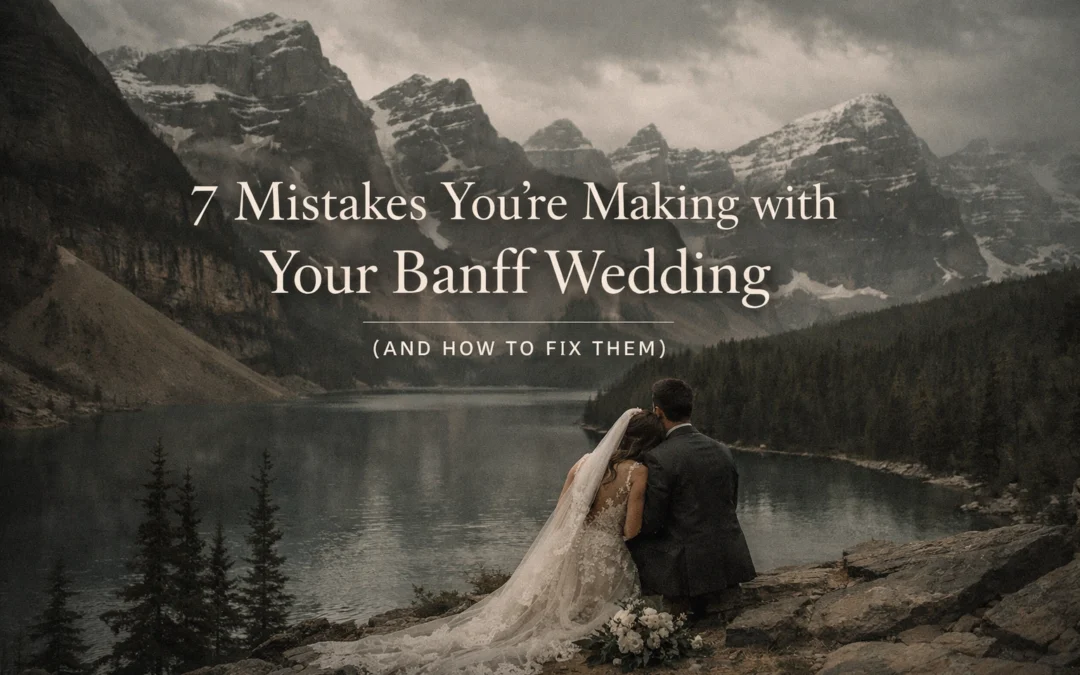
Planning a Banff wedding sounds like a dream: until you realize the mountains play by different rules. The same stunning landscape that makes the Canadian Rockies irresistible also creates unique challenges that can derail even the most carefully planned celebrations.
Most couples approach their Banff wedding the same way they'd plan any other destination event, and that's where things start to go wrong. National park regulations, unpredictable mountain weather, and environmental restrictions create a planning landscape unlike anywhere else.
This guide walks you through the seven most common mistakes couples make when planning Banff weddings: and more importantly, how to fix them before they cost you money, stress, or your dream ceremony. Whether you're eyeing a Lake Louise elopement or a full Banff wedding package, understanding these pitfalls will save you from preventable disasters.
Mistake #1: Treating Mountain Weather Like a Suggestion
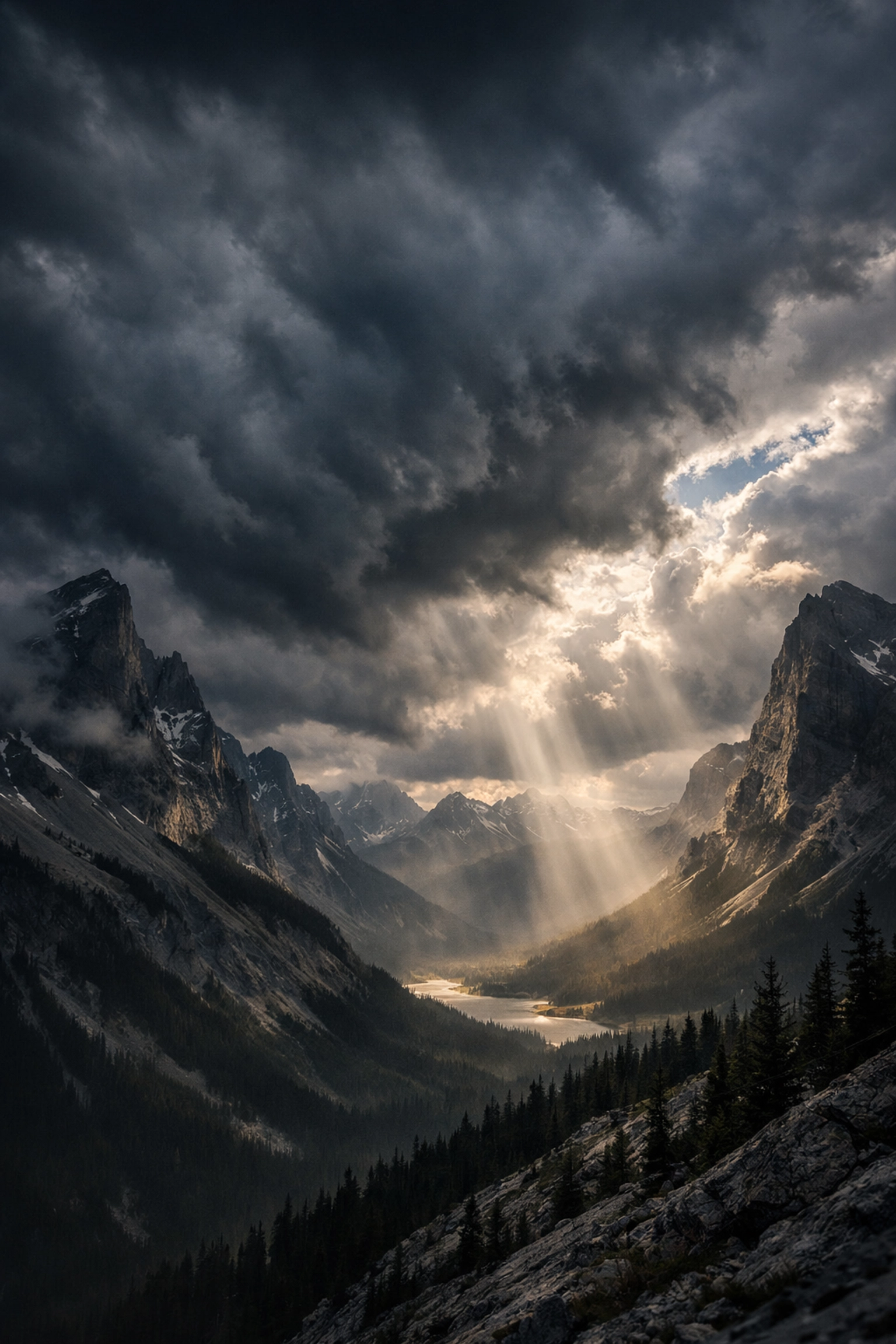
Mountain weather changes faster than you can say "I do." Couples routinely underestimate how quickly conditions shift in Banff, booking outdoor ceremonies without any backup plan whatsoever.
You might wake up to blue skies and sunshine at 8 AM, only to face sideways rain by noon. Temperature swings of 15-20 degrees within a few hours are normal. That perfect May morning can turn into a snowstorm by your 2 PM ceremony.
The Real Cost of No Backup Plan
Weather-related disasters cost couples more than discomfort. Consider what happens when:
- Outdoor ceremonies get postponed: Guests mill around awkwardly while you frantically search for covered space
- Photography schedules collapse: Your golden hour portraits disappear behind storm clouds
- Decor gets destroyed: Wind and rain wreck florals, signage, and carefully arranged details
- Guest experience suffers: No one remembers vows when they're shivering in 40-degree rain
How to Fix It
Build weather contingencies into every aspect of your planning. National park regulations prohibit temporary tents and structures on Banff property, so your backup can't involve pop-up shelters.
Choose venues with permanent indoor alternatives already included. Ask your venue coordinator specific questions: Where exactly will we move if weather turns? How long does the transition take? What happens to our decorations?
Work with vendors who can adapt quickly. Your florist should design arrangements that work indoors or out. Your photographer needs experience shooting in challenging mountain conditions.
Our all-inclusive Banff wedding packages starting at $2,499 include built-in weather backup strategies and venue options with permanent covered spaces.
Mistake #2: Ignoring National Park Restrictions Until It's Too Late
Most couples book Banff venues without understanding what's actually allowed on park property. The romantic Pinterest-perfect setup you envisioned? It might be completely illegal.
Banff National Park enforces strict environmental regulations that prohibit common wedding elements. Temporary tents, confetti, pyrotechnics, balloon releases, and rice throwing are all banned. You can't set up arbors, arches, or decorative structures on most park land.
What You Actually Can't Do
- Temporary structures: No tents, canopies, or pop-up installations
- Environmental hazards: No confetti, glitter, rice, or flower petals
- Pyrotechnics: No fireworks, sparklers, or smoke bombs
- Sound amplification: Restricted or prohibited in many locations
- Decorative alterations: No attaching anything to trees, rocks, or natural features
How to Fix It
Research park regulations before you fall in love with a specific vision. Choose venues with permanent infrastructure: established buildings, permanent gazebos, or designated ceremony sites that don't require additional structures.
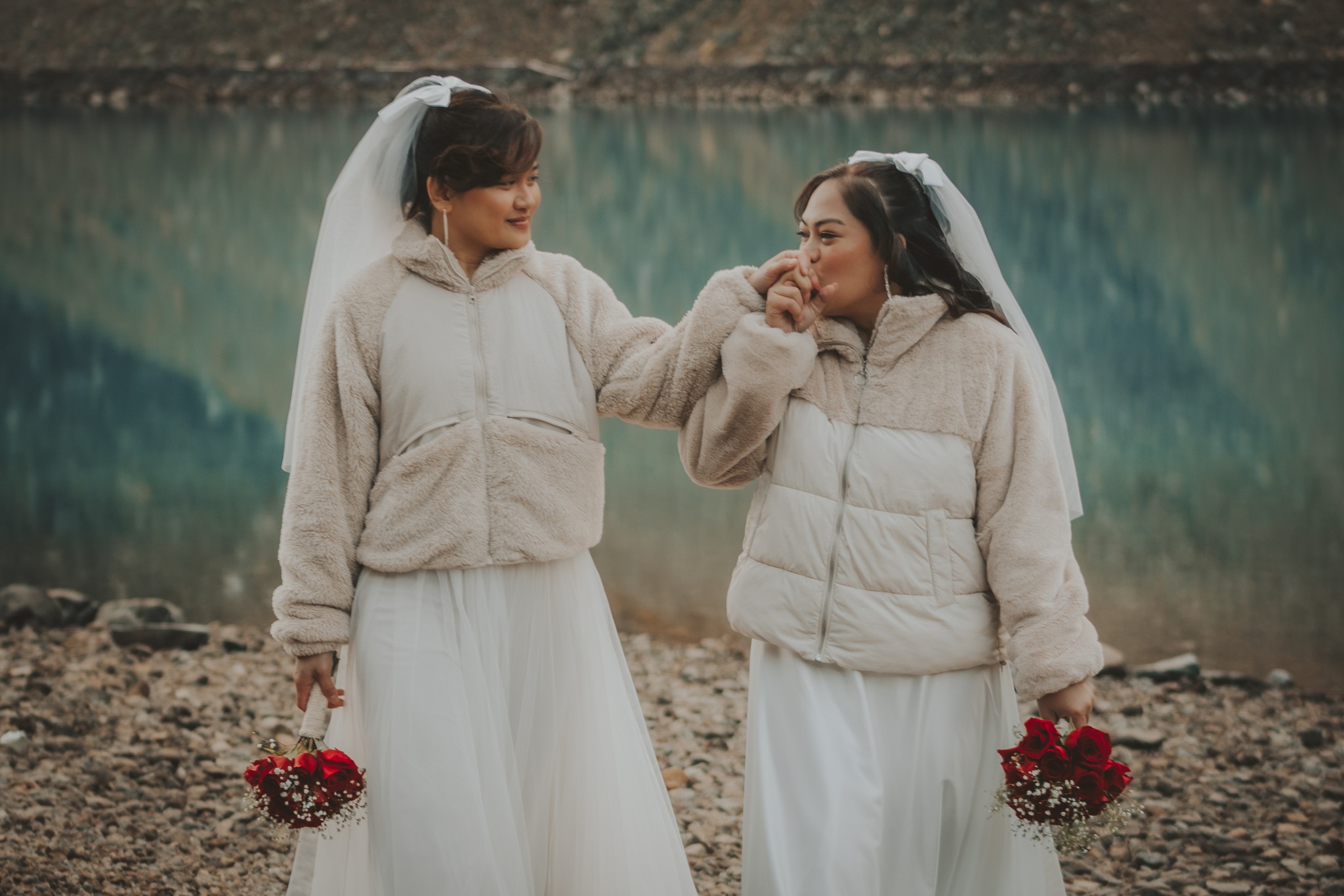
Work with decorators who understand Banff restrictions. Opt for biodegradable alternatives for any tossing traditions. Select venues where the natural landscape provides the backdrop, minimizing your need for additional decor.
Ask vendors directly: "What have you successfully done at this location before?" Get their answers in writing in your contracts.
Mistake #3: Booking Musicians Without Checking Acoustic Rules
Amplified music seems like a given for modern weddings: until you discover it's prohibited during park ceremonies. Many couples book their favorite DJ or band without realizing their equipment won't work in Banff's protected spaces.
National park acoustic regulations restrict or prohibit amplified sound in most ceremony locations. That means no microphones, no speakers, and no electric instruments during your vows.
The Music Reality Check
Your ceremony music options in Banff National Park include:
- Acoustic instruments: Guitar, harp, flute, violin, cello
- Unamplified vocals: Solo singers or small choirs without microphones
- Natural acoustics: Relying on the environment to carry sound
- Reception flexibility: Indoor reception venues typically allow amplified music
How to Fix It
Hire musicians who specialize in acoustic performances. Request specific instruments that project well outdoors without amplification. A classical guitarist or harpist creates beautiful ceremony ambiance while staying within regulations.
Save your DJ and dance music for the reception. Choose reception venues with indoor spaces where sound restrictions don't apply.
Discuss your music plan with your venue coordinator during the initial consultation. Confirm what's allowed at your specific ceremony location before signing any musician contracts.
Mistake #4: Fighting Against the Season Instead of Embracing It
Couples frequently plan weddings that ignore Banff's actual climate and seasonal characteristics. The tropical beach theme you love doesn't translate to a mountain setting in October.
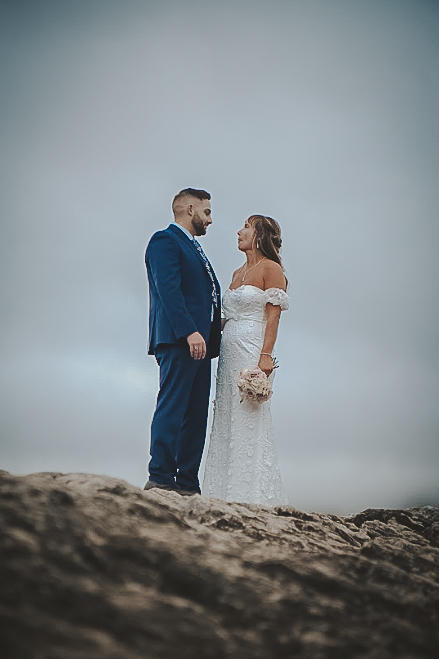
Mountain seasons dictate more than just temperature. They affect available colors, natural lighting, accessibility to locations, and guest comfort. A summer color palette looks jarring against November snow. Light fabrics photograph strangely in winter settings.
Seasonal Realities to Consider
Spring (April-May): Unpredictable weather, lingering snow, limited flower availability, incredible light
Summer (June-August): Peak tourist season, highest temperatures (still only 70-80°F), longest daylight, maximum location access
Fall (September-October): Stunning foliage, comfortable temperatures, shoulder season pricing, early snowfall risk
Winter (November-March): Deep snow, short daylight, extreme cold, limited location access, dramatic landscapes
How to Fix It
Choose color palettes that complement your season's natural environment. Winter weddings shine with jewel tones: emerald, ruby, sapphire: that pop against white snow. Summer ceremonies work beautifully with soft pastels that echo wildflower meadows.
Select attire appropriate for mountain temperatures. Consider layers, wraps, and weather-appropriate fabrics. Your dress should photograph beautifully against Banff's landscape, not fight it.
Work with florists who understand seasonal availability in Alberta. Choose flowers based on color and texture rather than demanding specific varieties that aren't available or require expensive importing.
Mistake #5: Packing Like You're Attending a City Wedding
Mountain weddings require specialized gear most couples forget to pack. Showing up to your Banff ceremony in cocktail attire with no weather protection is a recipe for misery.
Even summer Banff weddings require more preparation than typical destination events. Morning temperatures routinely sit 20-30 degrees cooler than afternoon highs. Mountain sun feels more intense at elevation. Wind appears out of nowhere.
Essential Mountain Wedding Packing List
For couples:
- Base layers for warmth under wedding attire
- Stylish jacket or wrap for outdoor photos
- Comfortable hiking boots for location scouting
- Hand warmers for cold ceremony days
- Emergency rain gear
For guests:
- Warm layers regardless of season
- Comfortable walking shoes with good traction
- Sunglasses and sun protection
- Blankets for outdoor ceremonies
How to Fix It
Create detailed packing lists specific to your wedding date and locations. Email these to guests six weeks before your wedding, explaining why mountain-specific items matter.
Schedule outfit trials outdoors in conditions similar to what you'll face in Banff. If you can't move comfortably or stay warm, adjust your choices before your wedding day.
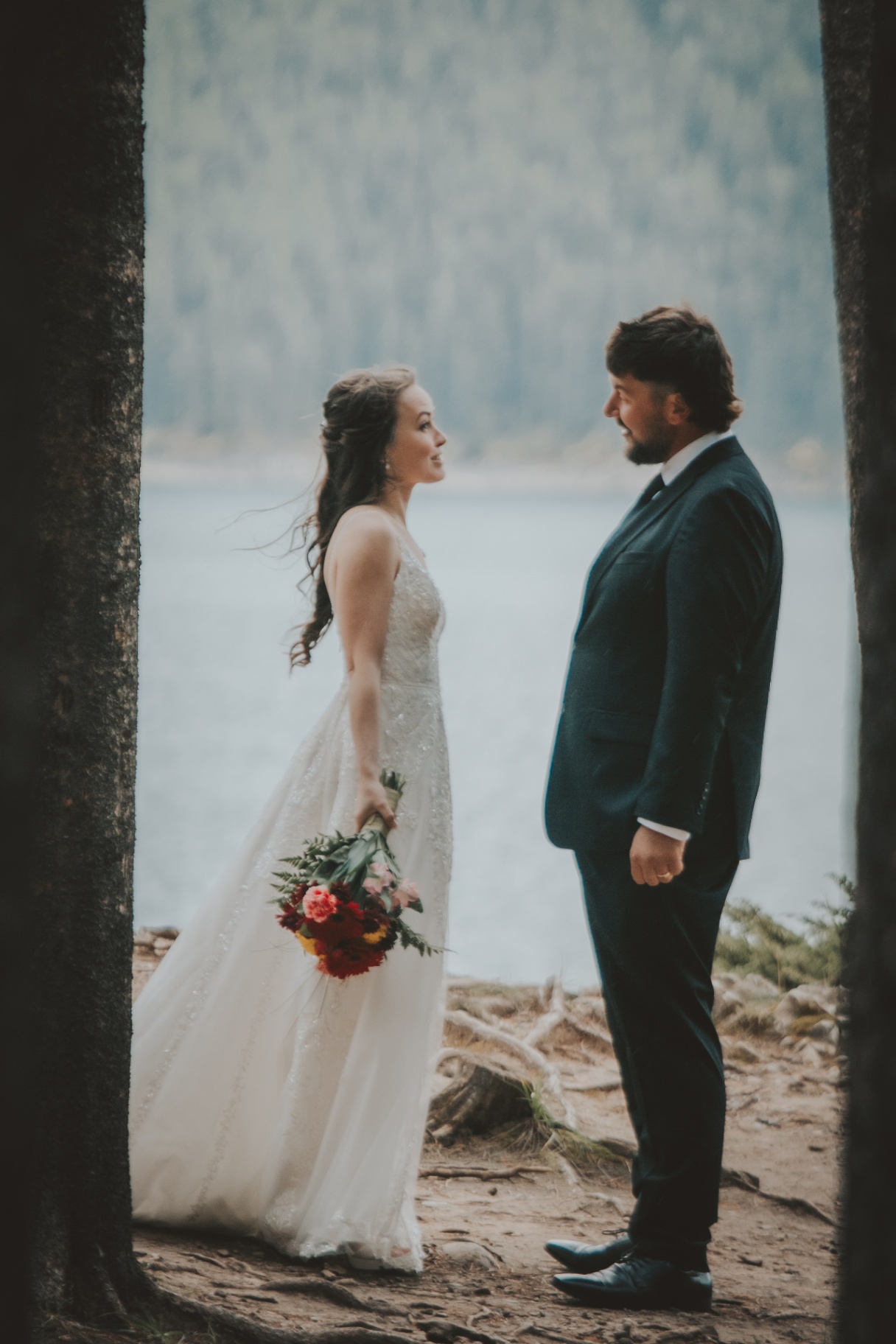
Consider renting or purchasing Banff-appropriate accessories. A beautiful faux fur wrap photographs gorgeously and keeps you comfortable. Stylish boots work for both hiking to photo locations and staying warm.
Mistake #6: Not Grilling Vendors About Their Banff Experience
Hiring vendors without confirming their specific Banff expertise leads to day-of surprises. Not all wedding professionals understand mountain logistics, park restrictions, or how to adapt their services to Banff's unique environment.
Your Vancouver-based florist might create stunning arrangements, but do they know which flowers survive Banff's altitude and temperature? Your Toronto photographer might shoot beautiful weddings, but can they handle rapidly changing mountain light?
Critical Questions to Ask Every Vendor
Florists:
- Which flowers hold up in mountain temperatures?
- How do you transport arrangements to remote locations?
- What's your backup plan if specific flowers aren't available?
Photographers:
- How many Banff weddings have you shot?
- How do you handle extreme lighting conditions?
- Which locations require permits you'll secure?
Caterers:
- What are your food safety protocols for outdoor service?
- How do you keep food at proper temperatures in varying conditions?
- Which menu items travel well to remote locations?
Coordinators:
- How do you handle permit applications for park locations?
- What's your emergency protocol for weather changes?
- Which vendors do you regularly work with in Banff?
How to Fix It
Interview vendors specifically about their Banff experience. Ask for examples of previous mountain weddings they've executed. Request references from couples who married in similar conditions.
Get detailed service descriptions in writing. Contracts should specify exactly what vendors will provide given Banff's restrictions and environmental realities.
Consider all-inclusive Banff elopement packages that bundle experienced vendors who already work together. Our packages starting at $2,499 include photographers, officiants, and coordinators with extensive mountain wedding experience.
Mistake #7: Overcomplicating Your Vision When Mountains Do the Work
Many couples add unnecessary complexity to weddings that should let Banff's natural beauty shine. Demanding specific flower varieties, planning multiple photo locations, or insisting on elaborate decor schemes often creates stress without improving the actual experience.
The mountains provide a backdrop more dramatic than any decorator could create. Pristine lakes offer reflections no lighting designer can match. Natural rock formations create ceremony spaces more striking than any constructed arch.
Where Couples Overcomplicate
Floral designs: Specifying rare varieties instead of trusting seasonal availability
Photo locations: Demanding five different spots instead of maximizing one perfect location
Decor schemes: Adding elaborate styling when nature provides the beauty
Traditional elements: Including ceremonies or customs that don't resonate with you
Guest list complexity: Inviting more people than you actually want to share the moment with
How to Fix It
Simplify your vision by focusing on what actually matters. Choose photographers based on their mountain work, then trust them to select the best locations and lighting. Select flowers by color and shape, giving florists flexibility on specific varieties.
Break traditions that don't serve your celebration. Banff weddings work beautifully as intimate experiences without traditional reception expectations.
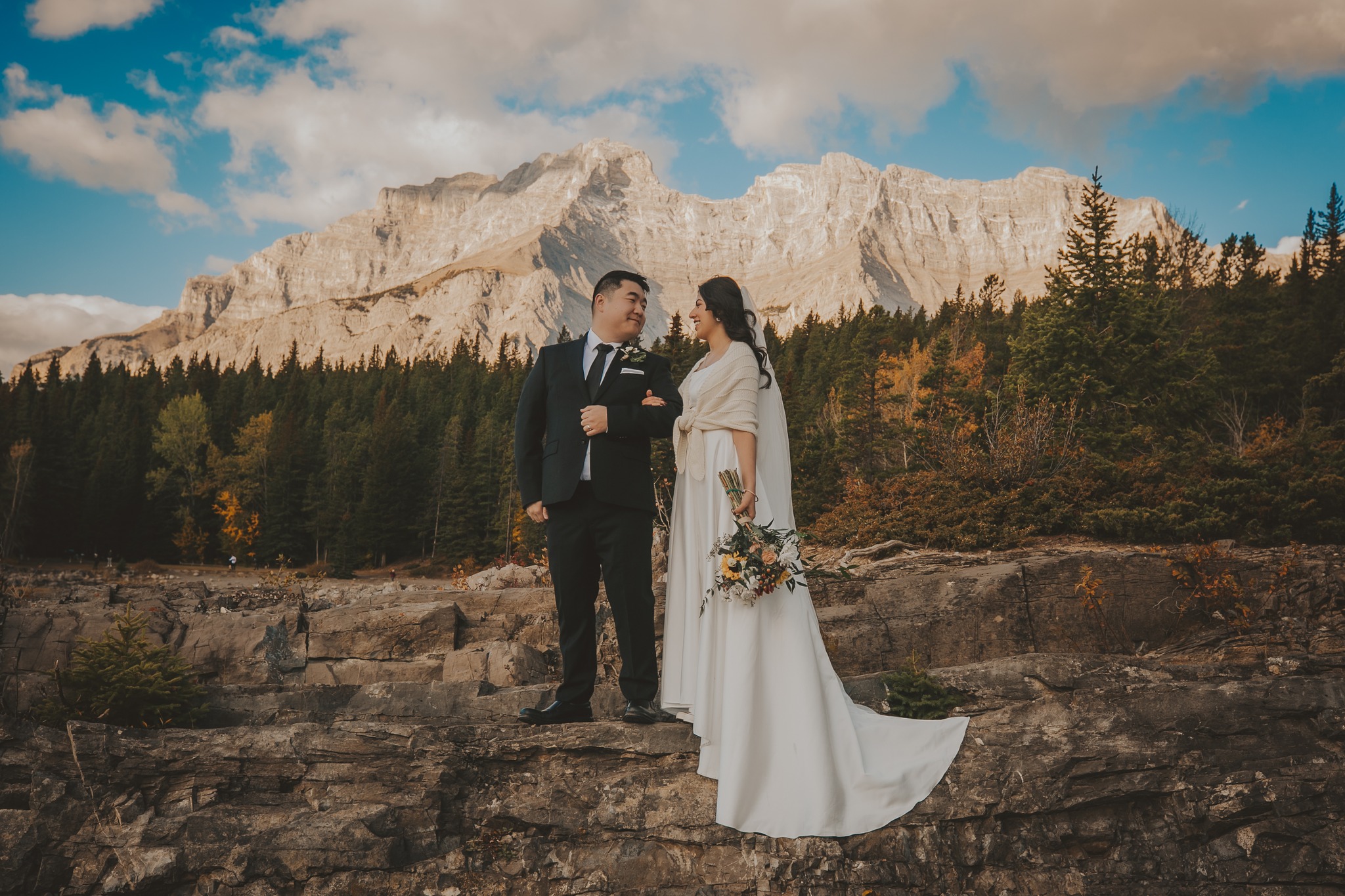
Consider elopement packages that handle logistics while you focus on each other. Lake Louise elopements and Moraine Lake weddings work beautifully as simplified celebrations that maximize natural beauty while minimizing planning stress.
Limit your portrait session to 1-2 naturally stunning Banff locations rather than rushing between multiple spots. You'll get better photos and actually enjoy the experience.
Moving Forward with Your Banff Wedding
Planning a Banff wedding requires different thinking than traditional wedding planning. The mistakes outlined here cost couples time, money, and stress: but they're all preventable with proper preparation and realistic expectations.
Start by accepting that mountain weddings operate under different rules. National park regulations, weather unpredictability, and environmental considerations shape every decision. Fighting these realities creates frustration. Embracing them leads to better experiences.
Choose vendors and packages that already account for Banff's unique requirements. Experienced mountain wedding professionals know how to navigate park restrictions, adapt to weather changes, and maximize natural beauty without complicated additions.
Focus your planning energy on what actually matters: celebrating your relationship in one of the world's most stunning locations. The logistical challenges matter less when you work with professionals who handle them as standard practice.
Ready to plan your Banff wedding without these common mistakes? Explore our all-inclusive Banff wedding packages designed specifically for couples who want mountain magic without the planning headaches.
Recent Comments